What We Can Learn From the Faith of Abraham
6 min read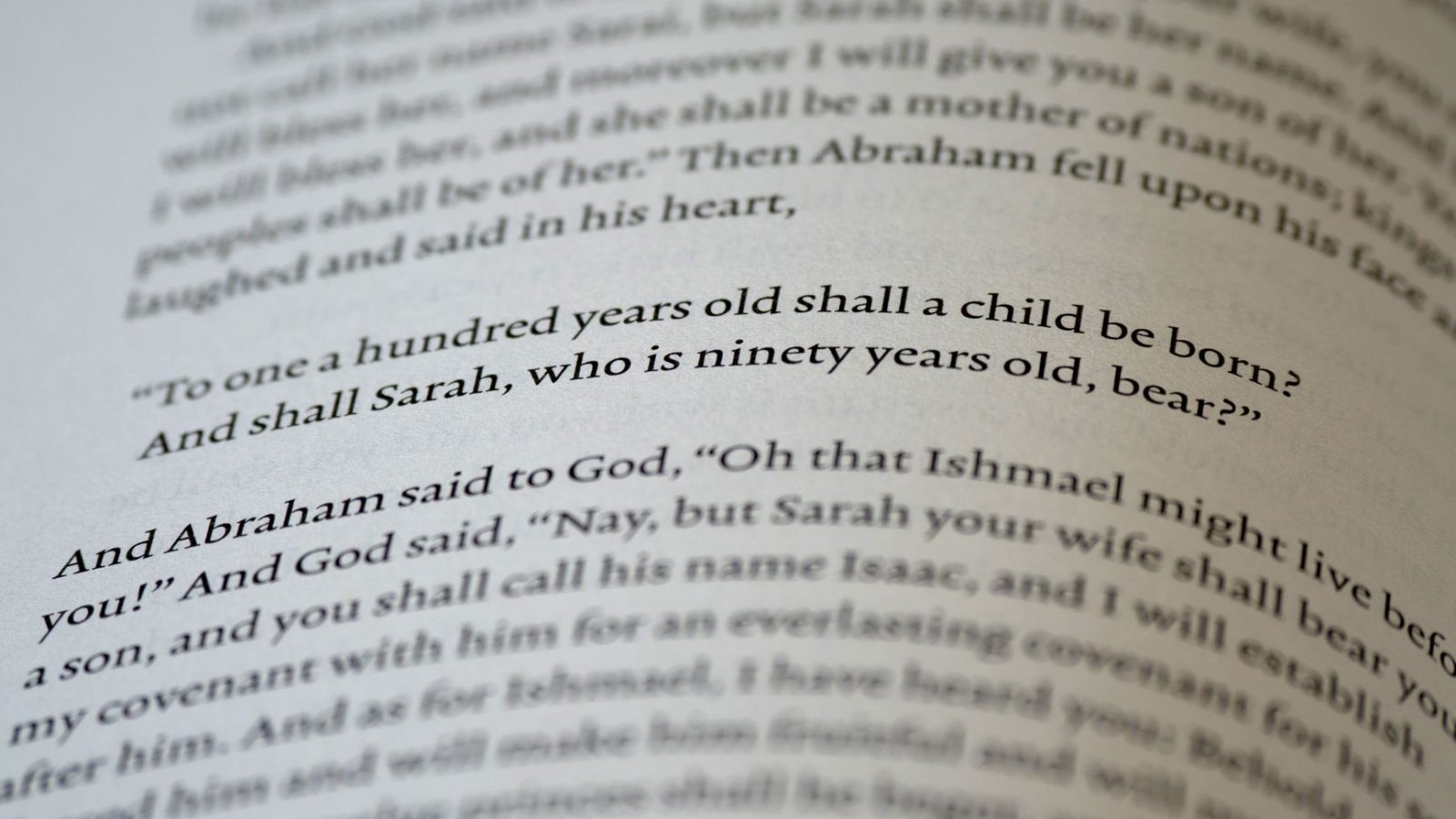
The faith of Abraham teaches us to obey God’s call before we have all the answers, to trust His promises through long seasons of waiting, and to keep moving forward even when the destination is unclear. His life shows that genuine faith is active, patient, and anchored in relationship with God.
Faith Moves Before It Has All the Answers
The first thing Hebrews 11:8 tells us is that Abraham obeyed when he was called — not after he had researched the destination, mapped the route, or consulted with everyone he trusted. The call came, and he went.
This is uncomfortable, because most of us want certainty before we commit. We want to see the whole staircase before we take the first step. Abraham’s story gently challenges that instinct.
This does not mean faith is reckless. Abraham knew who was calling even when he did not know where he was going. That distinction matters enormously. Trust in God’s character can carry you through situations where God’s plan is still unclear.
If you are waiting for total clarity before you take any step of faith, Abraham’s life suggests you may be waiting for something God never promised to give you all at once. The first step is usually the only one you need to see.
Obedience Is How Faith Becomes Real
James 2:17 makes a point that can feel harsh until you sit with it long enough: faith without works is dead. Abraham’s story is the lived illustration of that truth.
His faith was not a feeling he reported. It was a direction he walked. He loaded the tent, gathered his household, and left Ur. The belief became real in the motion.
You do not have to manufacture a feeling of certainty before you act on what God has shown you. Sometimes obedience is what produces the confidence, not the other way around. You step, and then you see.
Think about one area of your life where you sense God nudging you. The faith of Abraham lessons suggest the question is not ‘Do I feel ready?’ but ‘Am I willing to move?’
Waiting Is Part of the Journey, Not a Detour
Abraham waited decades for the son God had promised him (Genesis 12, 15, 17, 21). He was seventy-five years old when he first received the promise and one hundred when Isaac was born. That is a long time to hold onto a word you have not seen fulfilled.
The waiting was not a mistake or a punishment. It was the very terrain on which Abraham’s faith was deepened and tested. Romans 4:20 describes him as growing strong in faith during that period, not shrinking.
If you are in a long season of waiting on God, you are not forgotten. Waiting with God is not the same as being abandoned by God. The two can feel identical from the inside, but they are not the same thing.
Be honest with God about how hard the waiting is. The Psalms are full of that kind of prayer, and God has never rejected honesty. You can bring your frustration to Him without losing your faith.
God Calls Imperfect People and Keeps His Promises Anyway
Abraham lied about his wife twice out of fear (Genesis 12 and 20). He tried to solve the promise problem himself through Hagar (Genesis 16). He laughed when God repeated the promise about a son (Genesis 17). He was not a flawless hero.
And yet God did not withdraw the covenant because of Abraham’s failures. The promises of God do not depend on your perfect performance. They depend on God’s character.
This is genuinely good news, especially if you are a new believer carrying a lot of guilt about your past or your stumbling present. Your failures do not disqualify you from God’s purposes any more than Abraham’s failures disqualified him.
Grace is not a reward for getting everything right. It is the environment in which God does His work in people who are still in process. You qualify as someone in process.
Trust Is Built Through a Relationship, Not a Formula
Abraham is called the friend of God in James 2:23. That description is startling. Not the servant of God, not the employee of God — the friend.
Friendship implies ongoing conversation, real honesty, and time spent together. Abraham’s faith did not come from reading a list of principles about God. It grew out of a history of encounters — moments where God showed up and Abraham saw it.
Your faith will grow the same way. Not primarily through information, but through relationship. Spending time in prayer, sitting with scripture, and paying attention to where God is already at work in your life — these are the practices that deepen trust over time.
You do not need to have mature faith before you start. You need to start in order to develop mature faith. Begin where you are, with what you actually believe right now, and let God meet you there.
What to Do When You Are Afraid to Trust
Fear is not the opposite of faith. Abraham felt fear — that is why he lied about Sarah. The question is what he did with the fear. He kept returning to God even after his failures.
If anxiety or grief is making it hard to trust right now, that is not a sign that you have weak faith. It may be a sign that you are carrying something very heavy. Faith and struggle are not mutually exclusive; they often occupy the same heart at the same time.
Please know that if anxiety or depression is part of what you are dealing with, talking to a counselor or a doctor is not a lack of faith. It is wisdom. Prayer and professional support belong together.
The honest cry of Psalm 22, the wrestling of Job, the exhaustion of Elijah in 1 Kings 19 — God has never been threatened by your struggle. He meets people in their most desperate places, and He can meet you in yours.
Three Practical Steps From Abraham’s Example
First, identify the step in front of you. You do not need to understand the whole journey. Ask God to show you one faithful action you can take this week, and take it.
Second, build a record of God’s faithfulness. Abraham’s trust grew because he had a history with God. Start keeping a simple journal of moments when you sensed God’s presence, provision, or guidance. Return to it during the hard seasons.
Third, stay in community. Abraham traveled with people — Lot, Sarah, his household. You were not designed to live out your faith in isolation. Find even one other person to pray with regularly and talk honestly about your journey.
The faith of Abraham lessons do not ask you to become a spiritual giant overnight. They ask you to take the next step, stay in conversation with God, and trust that He who called you is faithful enough to finish what He started — a promise that Philippians 1:6 echoes directly.
Lord, I am honest with You — I do not know where this road is going. But I choose today to take one step in the direction You have shown me, trusting that You know the destination even when I do not.
Father, the waiting is hard. I bring You my impatience and my doubt, and I ask You to meet me here. Help me to hold onto Your promises the way Abraham held onto them, not perfectly, but persistently.
God, I thank You that my failures do not disqualify me from Your purposes. Where I have stumbled, I receive Your grace. Where I am afraid, I ask for courage. Give me a faith that moves even when it trembles.
Lord, I want to know You the way Abraham knew You — as a friend, not just a doctrine. Teach me to recognize Your voice. Give me eyes to see where You are already at work in my life, and the faith to join You there.
Frequently Asked Questions
Why is Abraham called the father of faith in the Bible?
Abraham is called the father of faith primarily because he trusted God’s promises before they were fulfilled and obeyed God’s call without a clear destination (Romans 4, Hebrews 11). His willingness to act on belief rather than certainty became the pattern the New Testament writers point to as the model of genuine faith. He is considered the spiritual ancestor of all who trust God regardless of what they can see.
What does Abraham's faith have to do with salvation today?
Paul argues in Romans 4 and Galatians 3 that Abraham was counted righteous by faith before the law of Moses existed, which means his relationship with God was always based on trust, not rule-keeping. This makes Abraham’s faith a template for how anyone — regardless of background — comes into right relationship with God. Salvation is received the same way Abraham received the promises: by believing God and trusting in what He has done.
Does strong faith mean I will never doubt or be afraid?
No — Abraham himself experienced fear and doubt, yet he is held up as a model of faith throughout scripture. Faith and doubt can coexist in the same person at the same time, as the father in Mark 9:24 honestly demonstrates. What matters is not the absence of doubt but whether you keep bringing yourself back to God through it. If anxiety or depression is persistent, seeking professional support alongside prayer is a wise and faithful response.
How do I build faith like Abraham's if I am just starting out?
Start with what you genuinely believe right now, even if it feels small, and act on it. Faith grows through relationship — regular prayer, reading scripture, and paying attention to where God shows up in your daily life. Staying connected to other believers also helps enormously, because faith is rarely sustained in isolation. You do not build deep trust in a day; you build it through many small acts of showing up.
What was the hardest test of Abraham's faith?
Most readers and theologians point to Genesis 22, where Abraham was asked to offer his son Isaac — the very son through whom God’s promises were to come. The passage shows Abraham trusting that God would somehow provide, even in an impossible situation. Hebrews 11:19 explains that Abraham reasoned God was able to raise Isaac from the dead if necessary, showing that his trust in God’s faithfulness was greater than his understanding of how that faithfulness would be expressed.
Continue Reading

The Power of a Changed Life: What We Can Learn From the Woman at the Well?
What does John 4:28–29 mean? Discover how one encounter with Jesus transformed the Samaritan woman and learn why your testimony has the power to lead other
What Does the Bible Say About Tithing? The Truth About Tithing and Stewardship
Wondering what is tithing and what the Bible really says about it? This plain, pastoral guide walks seekers and new believers through scripture, history…
What Does the Bible Say About Generosity? A Plain Guide for Seekers and New Believers
Wondering what the Bible says about generosity? This plain-language guide explores key scriptures, practical steps, and a short prayer guide for seekers…