The One Habit That Will Strengthen Your Walk with God: How Do I Memorize Scripture?
6 min read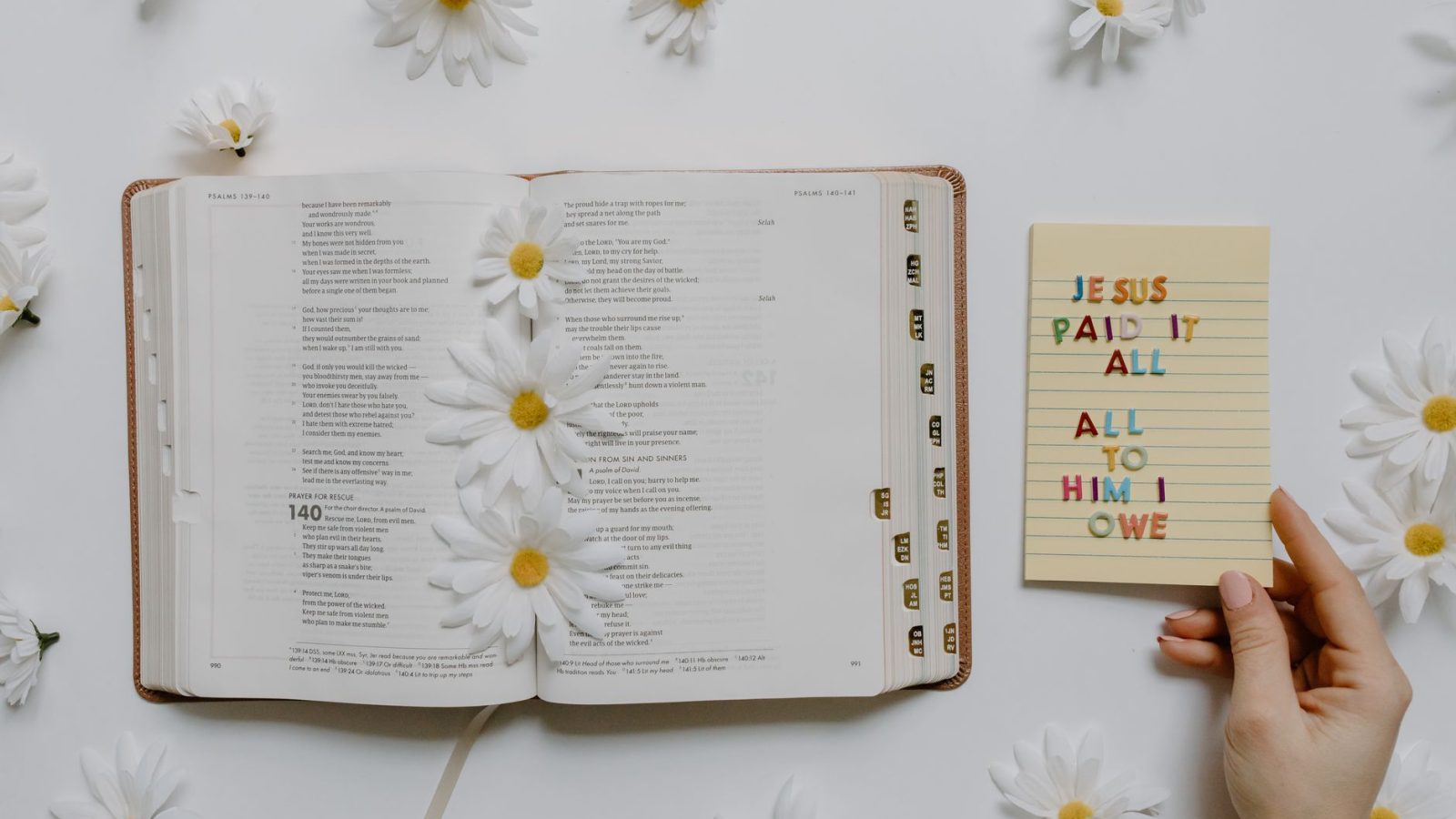
To memorize scripture, start with one short verse, write it by hand, read it aloud daily, and review it throughout the week. Attach the verse to a regular habit like morning coffee or bedtime prayer. Repetition over days, not hours, is what moves a verse from the page into your heart.
Why Memorizing Scripture Is Worth the Effort
A verse you have memorized travels with you. It is there when your phone battery is dead, when you wake up anxious at 3 a.m., when someone asks you a hard question about faith. The word you carry inside you is always accessible.
Jesus himself quoted scripture from memory during his wilderness temptation (Matthew 4:1-11). Paul urged believers to let the word of Christ dwell in them richly (Colossians 3:16). The early church had no personal copies of scripture — memorization was how ordinary people kept the Word close.
This is not about performing for others or proving your devotion. It is about building a private interior resource that the Holy Spirit can draw on when you need comfort, correction, or courage.
Choose One Verse — Just One
The single most common reason people fail at scripture memory is starting with too much. A chapter, a psalm, a whole book of promises — the ambition is good, but the approach overwhelms. Begin with one verse.
Pick a verse that already means something to you. If a passage jumped out during your last Bible reading, or if a friend shared a verse that landed in your chest, start there. Meaning fuels memory. A verse you care about is ten times easier to retain than a verse chosen at random.
If you are not sure where to start, short verses with strong imagery work well for beginners. John 3:16, Philippians 4:6-7, and Isaiah 41:10 are loved by new believers for good reason — they are rich, compact, and deeply personal. But truly, any verse that speaks to your current season of life is the right verse.
Practical Steps That Actually Work
Write it by hand. Copy the verse onto a notecard or a sticky note. The physical act of writing engages your brain differently than reading or typing. Put the card somewhere you will see it: the bathroom mirror, the dashboard, the kitchen counter above the coffee maker.
Say it out loud. Read the verse aloud, slowly, several times a day. Hearing your own voice speak the words adds another layer of memory. Do not rush. Let each phrase settle before moving to the next.
Include the reference. Always say the book, chapter, and verse before and after you recite. This may feel awkward at first, but it means you will always know where the verse lives in your Bible — which matters when you want to find it again or share it with someone else.
Attach it to a habit you already have. Say your verse every morning when you pour your coffee. Recite it at red lights. Whisper it before bed. Linking memory work to existing habits removes the need for extra willpower. The habit becomes the trigger.
Review before adding more. Spend at least a week with one verse before adding a second. Then review both. Then add a third. This slow, layered approach builds a lasting collection rather than a quickly forgotten list.
What to Do When Your Memory Struggles
Some people memorize easily. Others find it genuinely hard — and that difficulty has nothing to do with the depth of their faith. Age, stress, learning differences, and neurodivergence all affect how memory works. Be patient and kind with yourself.
If straight repetition is not working for you, try setting the verse to a simple tune. Music encodes language differently in the brain. You almost certainly remember song lyrics you never tried to memorize — that same mechanism works for scripture.
You can also try the blank-out method: write the verse on paper, then rewrite it replacing one word with a blank. Recite the full verse filling in the blank. The next day, add another blank. Gradually your mind fills in more and more without the written prompt.
If memory challenges are connected to anxiety, grief, or a medical condition, please know that God is not measuring your faithfulness by how many verses you can recite. A single verse, returned to daily, is a rich and worthy practice. And if you are struggling with mental health, leaning on a counselor or doctor alongside your spiritual practices is not a lack of faith — it is wisdom.
Memorization Is Meditation
In Hebrew, the word often translated ‘meditate’ in Psalm 1:2 carries the sense of murmuring or muttering — speaking something quietly and repeatedly to yourself. Biblical meditation is not emptying your mind. It is filling your mind with God’s word and turning it over slowly, like holding a stone in your hand.
When you recite a verse for the fifteenth time, you will notice things you did not notice the first time. A word will land differently. A connection to your current situation will appear. This is the Spirit working through repetition. Do not be in a hurry to move on.
Ask yourself a few questions as you memorize: What is this verse promising? What is it calling me to do or believe? Where in my life do I most need this truth right now? These questions turn memory work into genuine encounter with the living Word.
Tools That Can Help
You do not need any special tools to memorize scripture — a notecard and a few quiet minutes work perfectly. But if you find digital tools helpful, several free apps are designed specifically for scripture memory. They use spaced repetition, which is the practice of reviewing material at increasing intervals to lock it into long-term memory.
A dedicated journal for scripture memory is another simple option. Write each new verse at the top of a page, then use the rest of the page to reflect on what the verse means to you. Over time the journal becomes a record of your spiritual growth that is genuinely worth keeping.
Consider memorizing with a friend or a small group. Accountability softens the moments when you want to quit, and hearing someone else recite a verse you are learning together creates a shared vocabulary of faith. The early church memorized scripture in community — you are allowed to do the same.
A Simple Plan for Your First Month
Week one: Choose your first verse. Write it on a card. Read it aloud morning and evening. Do not add anything else.
Week two: Recite the verse from memory at least three times a day without looking. Keep the card nearby for correction, not as a crutch. Begin asking what the verse means and why it matters to you personally.
Week three: Add a second verse. Review both each day — the new one several times, the first one once. Notice that the first verse is now settled and easy. That feeling is the goal.
Week four: Continue adding one verse per week for as long as you like. By month’s end you will have four verses that belong to you permanently. In a year, at that pace, you will carry more than fifty passages of scripture in your heart. That is not a small thing.
Lord, I want your word to be at home in me. Give me a willing and patient spirit as I begin this practice, and help me choose a verse that speaks directly to where I am right now.
When I forget, when I get frustrated, when I feel like I am not making progress — remind me that you are pleased with every honest effort, and that your word does not return empty (Isaiah 55:11).
Let the verses I memorize become more than information. Let them become comfort when I am afraid, guidance when I am lost, and joy when I forget that joy is available to me.
Thank you for a Word that is living and active (Hebrews 4:12). Make it alive in me. Hide it in my heart the way the psalmist described — deep enough that it stays with me wherever I go.
Frequently Asked Questions
How long does it take to memorize a Bible verse?
Most people can memorize a short verse within three to seven days of daily review. Longer passages take longer, but the principle is the same: consistent daily repetition over several days beats an intense single session. Do not measure success by speed — measure it by whether the verse stays with you a week later.
What are the best Bible verses to memorize first?
Start with a verse that already means something to you personally — that emotional connection makes memorization significantly easier. Popular starting points for new believers include John 3:16, Philippians 4:6-7, Romans 8:28, and Psalm 23:1. There is no wrong choice; the best verse is the one you will actually return to every day.
Is there a Bible app that helps with scripture memory?
Yes — several free apps are built specifically for scripture memorization and use spaced repetition to help verses stick in long-term memory. That said, a handwritten notecard on your bathroom mirror often works just as well for beginners. The best tool is whichever one you will actually use consistently.
Do I have to memorize a specific Bible translation?
No. Use the translation you read and pray with regularly — familiar wording is easier to retain. Some people prefer the rhythm of the King James Version for memorization; others find a modern translation easier to understand and therefore easier to remember. What matters is that the words you memorize are words you trust and return to.
What if I keep forgetting verses I thought I had learned?
Forgetting is normal, and it does not mean you are doing anything wrong. The solution is regular review — most memory researchers suggest revisiting memorized material at increasing intervals (after one day, three days, one week, one month). Keep a short list of your memorized verses and read through it briefly each week to keep them fresh.
Continue Reading
What Is Spiritual Maturity? The Secret to Spiritual Maturity Every Christian Needs to Know
learn how God calls every believer to spiritual maturity, unity in faith, and becoming more like Jesus Christ. Be inspired to grow deeper in Christ

God’s Blueprint for a Strong and Lasting Marriage: What Does the Bible Say About Husbands and Wives?
What does the Bible say about husbands and wives? A warm, practical guide to Scripture's teaching on marriage roles, love, respect, and covenant faith.
The Greatest Chapter on Love Every Christian Should Read: What Does the Bible Say About Love?
Wondering what does the Bible say about love? Explore how Christ-like love transforms relationships through patience, kindness, humility, forgiveness, hope