How to Pray for Your Family: A Practical Guide for New and Seasoned Believers
6 min read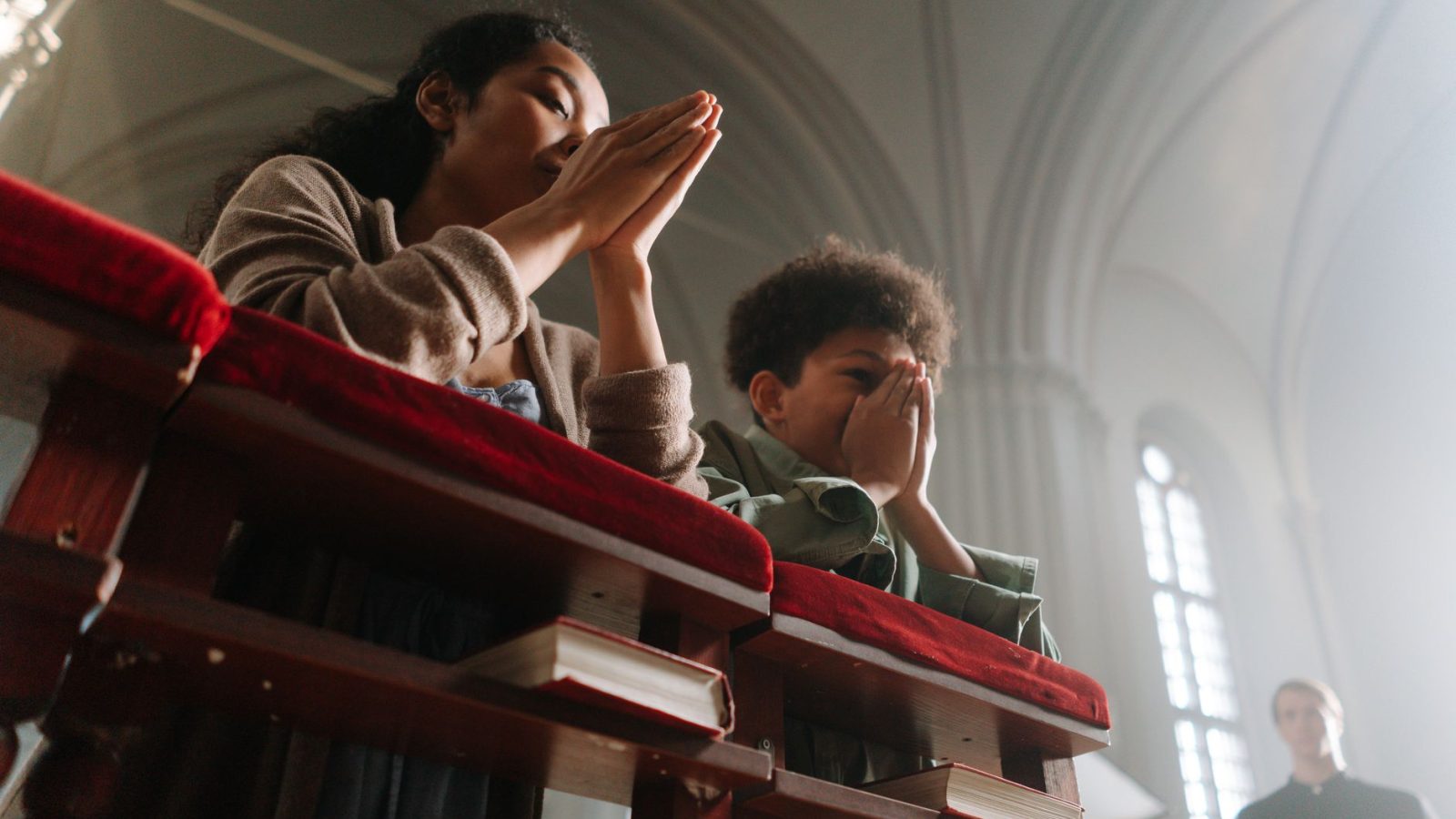
To pray for your family, bring each person by name before God with honesty and love. Ask for their protection, wisdom, salvation, and peace. Give thanks for them, even in hard seasons. Start simply, stay consistent, and trust that God hears every word you offer.
Why Your Words to God Actually Matter
Some people worry they are not doing prayer correctly — that their words are too plain, too stumbling, or too small for God to bother with. That worry, while understandable, misunderstands what prayer is.
Prayer is not a performance you deliver to an audience. It is a conversation with a Father who already knows your family better than you do (Matthew 6:8) and who invites you to ask anyway. The asking matters — not because it changes God’s information, but because it changes you, and because Scripture consistently shows God responding to the cries of his people.
You do not need a seminary degree or a certain posture or a special room. You need honesty, a willing heart, and the name of Jesus, through whom we are told we may approach God’s presence with confidence (Hebrews 4:16).
Start with the People Right in Front of You
The most practical place to begin is with names. Sit quietly for a moment and picture the faces of your family — spouse, children, parents, siblings, extended family if God brings them to mind. Let the faces come before the words do.
Then speak each name aloud or in your heart. There is something grounding about naming people specifically before God. It moves prayer from the general to the particular, and it honors the fact that God knows your grandmother, your teenager, and your estranged brother as individuals — not categories.
You do not have to pray for everyone at once. If your family is large, spread them across the week. Monday might be your children. Tuesday your spouse or your parents. The goal is consistency over comprehensiveness.
Four Things Worth Praying Over Every Person
Salvation and faith. If someone in your family does not yet know Jesus, this is the deepest prayer you can pray for them. You cannot argue someone into faith, but you can bring their name before the God who opens hearts (Acts 16:14). Pray that they would encounter Jesus in a way that is real and undeniable to them.
Protection. Life carries real dangers — physical, emotional, spiritual. Praying for your family’s protection is ancient and right. Psalm 91 has been a source of comfort for believers across centuries. You can simply ask God to guard your people from harm, from evil, and from the lies that pull people away from life.
Wisdom for their specific season. A toddler needs different things than a teenager. A newlywed couple faces different pressures than a couple married forty years. Ask God to give each person in your family the wisdom they need for exactly where they are (James 1:5). Be specific. ‘Lord, give my son wisdom as he chooses his friends this year’ is more rooted than a vague request for blessing.
Peace and mental health. Many families carry invisible weight — anxiety, grief, depression, and wounds that do not show on the surface. Pray for God’s peace to settle over each person (Philippians 4:7). And if you or someone you love is struggling seriously with mental health, please know that prayer and professional support belong together. Seeking a counselor or therapist is not a failure of faith — it is wisdom.
Do Not Forget Thanksgiving
Paul’s instruction in 1 Timothy 2:1 includes ‘givings of thanks’ alongside petitions and intercessions. This is easy to skip when you are worried about your family. But gratitude is not a spiritual luxury — it is a discipline that reshapes how you see the people you love.
Before you list what you need from God, try listing what God has already given. Maybe your family is frustrating right now, but there is a memory, a moment, a small mercy that deserves acknowledgment. Speak it out loud.
Thanksgiving does not mean pretending hard things are fine. It means choosing to hold the hard things and the good things before God at the same time. That kind of honesty in prayer is exactly what the psalms model for us.
When You Are Praying for a Broken or Painful Family Situation
Some of you are not praying for a family that needs a little encouragement. You are praying for a family in genuine crisis — addiction, abuse, estrangement, divorce, a prodigal who will not come home, a loved one with a serious illness. The weight of that is real, and it deserves to be named honestly.
God is not surprised or offended by the depth of your pain. The psalms are full of raw, desperate prayer — prayers that border on complaint and accusation — and they are still in Scripture. You can say to God, ‘I don’t understand this. I am scared. I am exhausted.’ That is not weak faith. That is honest faith.
Praying for a painful family situation does not mean you will receive the specific outcome you ask for. Scripture does not promise that. What it does promise is that God hears, that he is near to the brokenhearted (Psalm 34:18), and that your prayers are not wasted — even when you cannot see how.
If you are in a situation involving abuse or crisis, please reach out to a pastor, a counselor, or a crisis line. Prayer sustains you; wise human support protects you.
How to Build a Simple, Sustainable Family Prayer Habit
The best prayer routine is one you will actually keep. Grand plans rarely survive contact with a busy week. Start smaller than you think you need to.
Try this: pick one time each day that already exists in your schedule — your morning coffee, your commute, the two minutes before you fall asleep. Anchor prayer to something you already do. Then use that time to pray for one or two family members by name, with one specific request and one thank-you.
If you have a family at home, consider praying together — even briefly. A short prayer before dinner or before school does more than its length suggests. Children who hear a parent pray for them by name carry that with them for decades.
Keep a simple written list if it helps you remember. A notebook, a notes app, even a sticky note on the bathroom mirror. When prayers are answered — in any form — mark them. That record becomes its own source of faith over time.
A Few Words If You Are New to This
If you have never prayed much before, or if you drifted away and are finding your way back, there is no entry exam here. God is not withholding his ear until you have more practice.
Start with one sentence. ‘God, I love my family and I’m not sure how to help them. Please help them.’ That is a complete prayer. It has honesty, love, and dependence — which is everything prayer needs.
You will find, over time, that your prayers grow. You will have more words, more specificity, more trust. But the God who hears you tonight hears that first sentence just as clearly as any eloquent prayer offered by someone who has been doing this for fifty years.
Sit quietly and picture one family member’s face. Speak their name to God and say simply: ‘Lord, you know [name] better than I do. I bring them to you now. Protect them today.’
Think of one specific struggle your family is carrying right now. Bring it honestly: ‘Father, I don’t know how to fix this. I trust it into your hands. Give us wisdom and give us peace.’
Before you close, offer one thanksgiving: ‘Thank you for [name]. Thank you for the gift of having them in my life, even when things are hard between us.’
End with a simple act of trust: ‘I have done what I can do — I have prayed. I leave my family in your care and I choose to rest in that tonight.’
Frequently Asked Questions
What if I don't know what to say when I pray for my family?
Start with one honest sentence — you do not need eloquence. Tell God who you are praying for, what you are worried about, and that you are trusting him with it. The Holy Spirit, according to Romans 8:26, helps us when we do not know how to pray.
How often should I pray for my family?
Daily prayer for your family is a worthy goal, but consistency matters more than frequency. Even a few focused minutes each day, anchored to a routine you already have, will be more sustainable than an intense hour once a week that you burn out on.
Can I pray for family members who are not Christians?
Yes — and this is one of the most loving things you can do. Praying for someone’s salvation or for God to draw them toward faith is fully biblical. First Timothy 2:1 encourages prayer for all people without distinction, and that includes family members who do not yet share your faith.
What if my family situation involves abuse or serious harm?
Prayer is real and important, and it belongs alongside practical action — not instead of it. If someone in your family is in danger, please contact a pastor, counselor, or crisis resource. God works through people as well as through direct intervention, and seeking help is an act of wisdom and courage.
Does God always answer prayers for family members the way I ask?
Scripture promises that God hears prayer, that he is near to those who call on him, and that he works all things for good for those who love him — but it does not promise every specific outcome we request. Trusting God with your family means holding your requests with open hands, believing that his care for them is deeper than your own.
Continue Reading

How Do I Trust God With My Finances? A Biblical Guide for Real Life
Trusting God with finances is a daily practice, not a formula. Learn biblical steps, honest prayer, and practical wisdom for seeking His kingdom first…

What Does the Bible Say About Giving? A Plain-Language Guide for Every Stage of Faith
Wondering what the Bible says about giving? This plain-language guide explores scripture about giving, tithing, generosity, and how to build a giving…
What Jesus Meant by ‘I Am the Way, the Truth, and the Life’
What did Jesus mean by 'I am the way the truth and the life'? A plain, pastoral explanation of John 14:6 for seekers and new believers.