How to Read and Understand the Psalms: A Guide for Seekers and New Believers
7 min read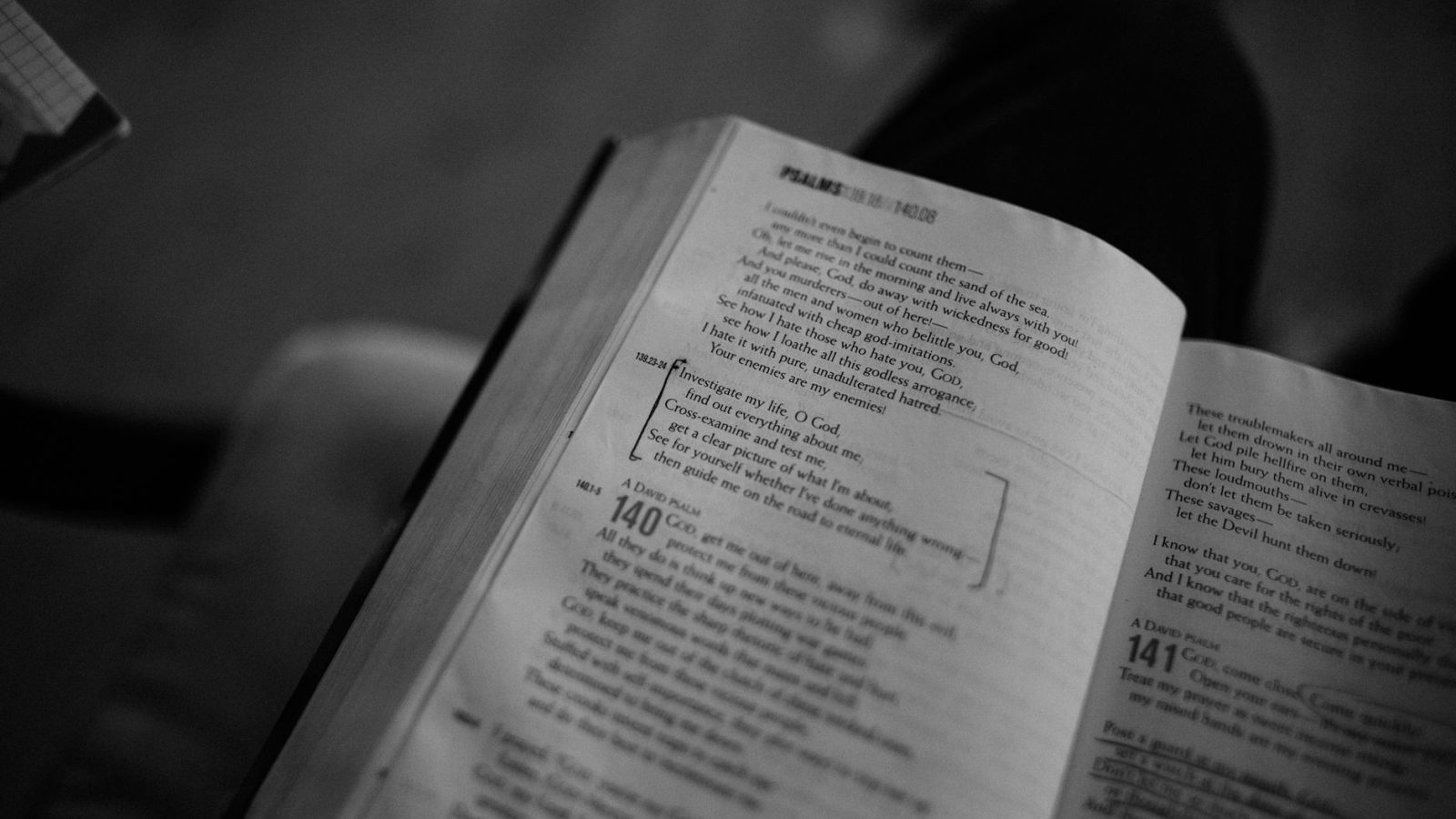
Understanding the Psalms begins with recognizing them as honest prayers set to poetry. Read them slowly, one at a time. Notice the emotion, find the turning point where the writer looks to God, and let the psalm become your own prayer. They were written for people exactly like you.
What Are the Psalms, Really?
The Psalms are prayers first, poetry second, and theology third. That order matters. They were not written as doctrinal statements to be analyzed. They were cried out, sung, whispered, and shouted in the direction of God by real human beings in real distress — and real joy.
The Hebrew title for the book is Tehillim, which means praises. But anyone who has read more than a few Psalms knows that roughly half of them sound less like praise and more like a complaint filed directly with heaven. This is not a contradiction. In the biblical world, bringing your pain to God honestly was an act of trust.
There are several types of Psalms, and recognizing them helps enormously. Lament Psalms (like Psalm 22 and Psalm 88) pour out suffering and confusion. Praise Psalms (like Psalm 100 and Psalm 150) burst with gratitude. Wisdom Psalms (like Psalm 1 and Psalm 119) teach about righteous living. Royal Psalms (like Psalm 2 and Psalm 72) speak of God’s king and, for Christians, point toward Jesus. Knowing which type you are reading helps you understand what the writer is doing.
Read One Psalm at a Time
The single most practical thing you can do when approaching the Psalms is to slow down. Reading through all 150 in a weekend the way you might read a novel will leave you feeling overwhelmed and spiritually full but not nourished. The Psalms reward patience.
Choose one Psalm. Read it once through without stopping to analyze. Just receive it. Then read it again, slowly, and ask yourself three questions: What is the writer feeling? What does the writer say about God? Where does the mood shift?
That third question is the key. Almost every lament Psalm has a turning point — a moment where the writer pivots from describing their pain to declaring their trust in God, even when the circumstances have not changed. Finding that pivot teaches you more about prayer than almost any other spiritual exercise.
The Psalms Give You Permission to Be Honest
Many people come to the Psalms because they feel like they are not allowed to say what they are actually feeling in church or in prayer. They believe that doubt, anger, or despair disqualify them from approaching God.
The Psalms disagree strongly. Psalm 13 opens with the psalmist asking God how long he will be forgotten. Psalm 88 ends in darkness with no resolution. Psalm 139 contains a request for God to destroy enemies that makes modern readers uncomfortable. These passages are in the Bible. They are included not as examples of bad theology to avoid, but as models of honest, unfiltered prayer.
This does not mean every feeling is correct or that every request is one God will grant. It means that God can handle your full self. The Psalms show you a community of faith that brought everything — including the ugly parts — to God and kept showing up. If you are carrying grief, anxiety, or despair right now, the Psalms are not telling you that you have weak faith. They are sitting down beside you.
A note worth making gently: if you are struggling with persistent anxiety, depression, or grief, prayer and the Psalms are real and meaningful support — and professional care belongs alongside them. Seeking help from a counselor or doctor is not a failure of faith. It is wisdom.
How Hebrew Poetry Actually Works
The Psalms do not rhyme in English because they were not designed to rhyme at all. Hebrew poetry works through something called parallelism — the practice of saying the same thought twice in slightly different words, or of saying an idea and then reversing or completing it.
For example, when Psalm 1 describes the righteous person, it describes what they do not do in the first half and what they do do in the second. This structure is not repetition for its own sake. It is a way of turning an idea over in your hands so you see all its angles.
Once you start noticing parallelism, you will read more carefully. When a line surprises you or seems to repeat itself, stop and ask what the second half adds to the first. Often the small shift in wording carries the whole emotional weight of the verse.
Read the Superscriptions and Historical Context
Many Psalms have a line above the first verse — sometimes called a superscription or header — that tells you who wrote it, what musical instructions applied, or what situation prompted it. Psalm 51, for example, is linked to the moment David confronted his own sin after the story recounted in 2 Samuel 11-12.
Reading that background does not limit the Psalm. It grounds it. Knowing that Psalm 51 came out of a moment of devastating personal failure makes its words about a crushed spirit and a clean heart land with much more force.
You do not need a commentary to get started, but having a study Bible or a free tool like Bible Gateway or the Blue Letter Bible app can give you that context quickly. Think of it as reading the liner notes before listening to an album — it helps you hear what the artist intended.
Let the Psalms Shape the Words of Your Own Prayer
This is where understanding the Psalms moves from intellectual exercise to spiritual practice. The ancient Christian and Jewish tradition of praying the Psalms — reading them aloud as your own words, not just as someone else’s ancient words — transforms how you speak to God.
When you do not know what to say, the Psalms give you language. When you are too tired or too broken to construct a prayer from scratch, you can borrow the psalmist’s words. Psalm 46 speaks of God as refuge when the earth is shaking. Psalm 23 walks through the valley of the shadow of death. These are not metaphors to admire from a distance. They are prayers you can inhabit.
Our anchor verse for this guide, Psalms 19:14, captures this beautifully. The psalmist is asking that the very words forming in his mouth and the meditations forming in his heart would be acceptable to God — who is described as rock and redeemer. That is the posture of someone who wants their inner life and their spoken prayers to be aligned before God. Let that verse become a habit before you open the Psalms each time.
A Simple Practice for Reading the Psalms Daily
Start with the morning Psalms. Psalms 1, 5, and 19 are good entry points because they are shorter and move clearly from observation to prayer. Read one Psalm a day for a month before moving to longer or more difficult ones like Psalm 119.
After reading, write one sentence in a journal. It does not have to be profound. It can simply be: The line that stayed with me was ___. Or: The emotion I recognized in this Psalm was ___. Writing one sentence slows you down enough to actually absorb what you read.
Then, pray the Psalm back in your own words. Loosely, imperfectly, in plain language. You might say something like: God, I feel forgotten today the way this writer did. I am choosing to trust that you see me anyway. That is praying the Psalms. It requires no special training.
Before you open the Psalms today, you might pray: God, I come to you honestly. I am not sure I have the right words. Let the words of my mouth and the meditation of my heart be acceptable to you — you who are my rock and my redeemer.
When a Psalm names something you are carrying: God, this is where I am today. The psalmist said it better than I can. I am bringing it to you anyway, and I am choosing to trust that you receive it.
When a Psalm feels distant or confusing: God, I do not fully understand this yet. Teach me. Give me patience with the parts I cannot grasp, and let even my confusion be a form of leaning toward you.
After reading a Psalm that moves toward praise: God, even when I do not feel it, I want to say with the psalmist that you are good. Help my heart catch up to my words.
Frequently Asked Questions
Where should a beginner start reading the Psalms?
Psalm 1, Psalm 23, and Psalm 46 are excellent starting points for new readers. They are short, emotionally accessible, and cover the range of trust, comfort, and refuge that most people come to the Psalms looking for. Read just one at a time, slowly, before moving on.
Why do some Psalms feel so angry or dark?
Those are called lament Psalms, and they make up roughly a third of the entire book. They exist because honest pain is a legitimate form of prayer in the biblical tradition. They are not models of bad attitude — they are models of bringing your whole self to God rather than performing a happiness you do not feel.
Do the Psalms apply to Christians, or were they just for ancient Israel?
The early church read the Psalms as their own prayer book from the very beginning, and Jesus himself quoted from the Psalms — including from the cross (see Matthew 27:46, which references Psalm 22:1). Christians have always understood the Psalms as scripture that speaks across time and applies to any person seeking God.
How do I understand a Psalm that seems to ask God to harm someone?
Those are called imprecatory Psalms — prayers that ask God to act against enemies. They are difficult and require honest engagement rather than skipping. Many scholars understand them as expressions of fierce pain given over to God rather than personal revenge taken by human hands. Placing your anger in God’s hands is different from acting on it yourself. Reading a guide or commentary on specific Psalms like 137 or 109 can help greatly.
How long does it take to really understand the Psalms?
Understanding the Psalms is a lifelong practice, not a destination. Most people who read them consistently for months begin to feel at home in the emotional landscape and the language. The goal is not to master them academically but to let them shape the way you pray and the way you see God, and that happens gradually, one reading at a time.
Continue Reading
How Do I Trust God With My Finances? A Biblical Guide for Real Life
Trusting God with finances is a daily practice, not a formula. Learn biblical steps, honest prayer, and practical wisdom for seeking His kingdom first…
What Does the Bible Say About Giving? A Plain-Language Guide for Every Stage of Faith
Wondering what the Bible says about giving? This plain-language guide explores scripture about giving, tithing, generosity, and how to build a giving…
What Jesus Meant by ‘I Am the Way, the Truth, and the Life’
What did Jesus mean by 'I am the way the truth and the life'? A plain, pastoral explanation of John 14:6 for seekers and new believers.