The Miracles of Jesus and What They Mean: A Guide for Seekers and New Believers
6 min read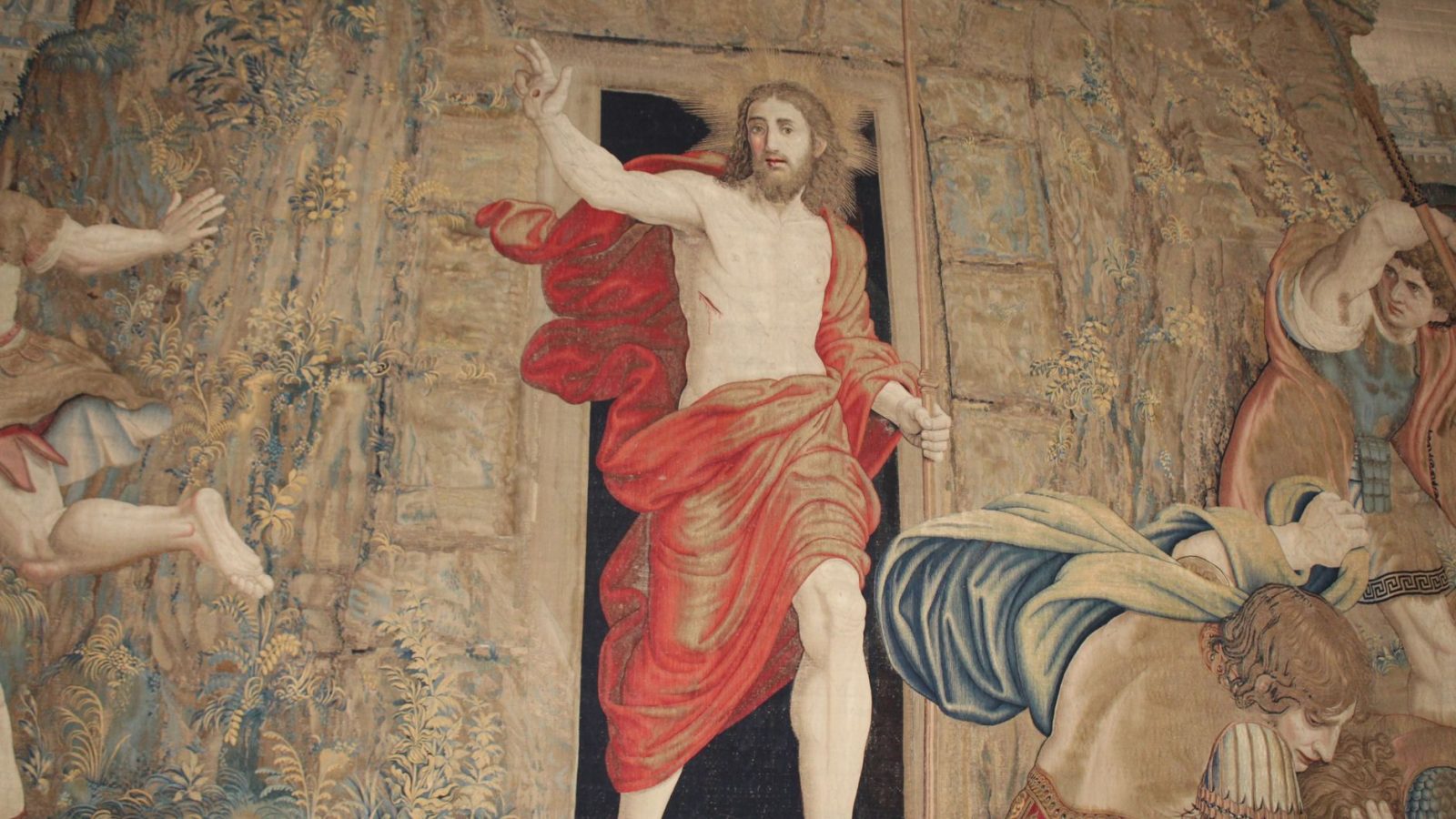
The miracles of Jesus meaning goes beyond spectacle: each miracle reveals who Jesus is — the Son of God with authority over sickness, death, nature, and sin. They were recorded so that readers across every generation could believe in him and receive life through his name.
What Is a Miracle, Exactly?
The New Testament uses several words we translate as ‘miracle’: signs, wonders, and works of power. Each word carries a slightly different shade of meaning, and together they paint a full picture.
A sign points beyond itself, the way a road sign points toward a city. A wonder stops you cold — it breaks your ordinary categories. A work of power shows that real force is at work, not illusion.
When you read about the miracles of Jesus, you are reading about events that were meant to do all three things at once: arrest your attention, exceed your explanation, and point you toward the person doing them.
This matters because it keeps miracles from becoming mere magic tricks. Jesus was not performing for applause. Every miracle was a word spoken in action — a sentence in a longer sermon about who God is and what God is doing in the world.
The Miracles Show Jesus Has Authority Over Everything That Harms You
Look at the range of what Jesus healed and restored: blindness, paralysis, fever, leprosy, chronic bleeding, a shriveled hand. These were not rare edge cases. They were the ordinary devastations of human life.
In each healing, Jesus steps into a situation where a person has lost something essential — sight, movement, belonging, dignity — and restores it. The miracles of Jesus meaning, at this level, is deeply personal: nothing that has broken you is outside his reach.
It is worth saying plainly: these healings do not mean that praying hard enough guarantees physical recovery today. Scripture never promises that, and it would be unkind to suggest it. What they do reveal is the heart of Jesus toward suffering — he moved toward it, not away from it.
If you are carrying illness or grief right now, that compassion is still the character of the God you are reading about. Prayer and professional care — doctors, counselors, therapists — belong together. Seeking help is not a failure of faith.
The Nature Miracles: Something Bigger Than Healing Is Happening
Jesus did not only heal people. He also calmed a violent storm on the Sea of Galilee (Mark 4:35-41), walked on water (Matthew 14:22-33), fed thousands from a handful of food (John 6:1-14), and turned water into wine (John 2:1-11).
These events stretch in a different direction. They are not about one person’s suffering — they are about creation itself responding to a voice.
The disciples’ reaction in the boat after the storm is telling. They did not say, ‘That was impressive.’ They said something closer to, ‘Who is this?’ That is the question the nature miracles are designed to raise. They press you toward an answer that goes beyond ‘great teacher’ or ‘moral example.’
The miracles of Jesus meaning, when you look at his authority over creation, starts to sound like something the Old Testament prepared people to expect only of God himself — the one who spoke the world into existence and holds it together (see Colossians 1:16-17).
The Raising of the Dead: The Claim at the Center
Three times in the Gospels, Jesus raised someone from the dead: the widow’s son at Nain (Luke 7:11-17), Jairus’s daughter (Mark 5:21-43), and Lazarus (John 11:1-44). Each account is distinct. Each one is told with the kind of concrete, uncomfortable detail that resists easy dismissal.
With Lazarus, Jesus deliberately waited until the man had been dead four days — past any hope of natural resuscitation — before he acted. The scene at the tomb is raw and human: Jesus wept (John 11:35). Then he called Lazarus out.
These accounts build toward the event that the entire New Testament treats as its foundation: the resurrection of Jesus himself. His own rising from the dead is not presented as one miracle among many. It is presented as the miracle that gives all the others their ultimate meaning.
If Jesus rose, then death is not the final word — not for him, and not for those who belong to him. That is the claim. It deserves to be taken seriously, which means it also deserves honest investigation. The early disciples staked their lives on its truth.
What the Miracles Are Not Saying
The miracles of Jesus are sometimes read as proof that God rewards the faithful with health and wealth. That reading does not hold up when you look at the whole story. Jesus healed people freely, without demanding anything first. He also let John the Baptist die in prison (Matthew 11:2-6). He himself went to a cross.
The miracles are not a contract. They are a revelation. They reveal what the kingdom of God looks like when it arrives — wholeness, abundance, life — without promising that every act of faith in this age will produce a visible miracle in return.
This distinction protects you. Faith that depends on a specific outcome can shatter when the outcome does not come. Faith rooted in who Jesus is — revealed through these signs — can hold through outcomes that make no sense yet.
How to Read a Miracle Story in the Gospels
When you sit down with a miracle account, a few questions will help you move from observer to participant. First, ask: Who is Jesus showing himself to be in this moment? Not just what he did, but what it reveals about his character and his authority.
Second, ask: Who receives the miracle, and what was their situation? Often the person is an outsider — someone marginalized, desperate, or written off. That pattern is not accidental.
Third, ask: What does Jesus do after the miracle? Sometimes he tells people to tell no one (Mark 1:44). Sometimes the crowd tries to make him king and he withdraws (John 6:15). He is consistently more interested in the relationship than the spectacle.
Finally, let the miracle land as an invitation. John says these signs were written so that you may believe. The story is still open. You are the one deciding what to do with it.
A Place to Begin If You Are New to All of This
If you are a seeker or a new believer, you do not have to resolve every question before you take a next step. The disciples did not understand everything either — and they were standing right there.
Start with the Gospel of John. Read one chapter a day. Pay attention to every miracle account and ask the three questions above. You are not reading to pass a test; you are reading to meet someone.
Talk to God in plain language. You do not need formal prayers. Honest words — even uncertain ones — are heard. ‘I am not sure what I believe yet, but I want to understand’ is a completely valid prayer.
Find a community of people who take these questions seriously and welcome honest doubt. You were not meant to work through this alone, and no devotional article — including this one — can substitute for that.
Lord, I am looking at these miracle stories and I am not sure what to make of them. I ask you honestly: show me who you are. Help my understanding keep up with my desire to know you.
Jesus, where I am hurting right now — in my body, in my relationships, in places I have not named out loud — I bring that to you the way the people in these stories brought theirs. I trust your character even when I cannot see your answer.
God, where I have assumed miracles are about getting something, shift my focus. Let me see each sign as a word about who you are, not a formula for getting what I want.
I choose today to keep reading, keep asking, and keep showing up — not because I have everything figured out, but because you recorded these things so that I might believe and have life. I want that life.
Frequently Asked Questions
Did Jesus's miracles actually happen, or are they symbolic stories?
The Gospel writers present the miracles as historical events, not parables or myths. They include specific names, locations, and details that suggest eyewitness sources. Whether you currently believe them is a different question — but the texts themselves are making factual claims, and those claims are worth investigating seriously rather than dismissing or accepting without thought.
Why did Jesus tell some people not to talk about their healing?
Scholars call this the ‘messianic secret,’ and it appears especially in Mark’s Gospel. Jesus seemed deliberately cautious about the kind of attention miracles attracted, since crowds often wanted a political deliverer rather than a savior. He was protecting the mission from being reduced to spectacle or revolutionary politics before the right time.
Does God still perform miracles today?
Historic Christianity has always held that God is active in the world and that healing and other extraordinary events can occur through prayer. Christians hold varying views on how frequently this happens and in what forms. What Scripture consistently affirms is that God is present and that prayer matters — without guaranteeing specific outcomes in every situation.
Why didn't Jesus heal everyone he encountered?
The Gospels do not give a single answer to this, and it would be dishonest to invent one. What they do show is Jesus healing freely, without prejudice, across a wide range of people and conditions. The miracles appear to be purposeful signs rather than a complete elimination of suffering during his earthly ministry — that final restoration is associated in Scripture with his return.
What is the most important miracle in the Bible?
The New Testament itself places the resurrection of Jesus above all other miracles. Paul writes in 1 Corinthians 15 that if Christ has not been raised, Christian faith has no foundation. The resurrection is treated not as one sign among many but as the event that validates every other claim Jesus made about himself and gives his followers their ultimate hope.
Continue Reading

The Power of a Changed Life: What We Can Learn From the Woman at the Well?
What does John 4:28–29 mean? Discover how one encounter with Jesus transformed the Samaritan woman and learn why your testimony has the power to lead other
What Does the Bible Say About Tithing? The Truth About Tithing and Stewardship
Wondering what is tithing and what the Bible really says about it? This plain, pastoral guide walks seekers and new believers through scripture, history…
What Does the Bible Say About Generosity? A Plain Guide for Seekers and New Believers
Wondering what the Bible says about generosity? This plain-language guide explores key scriptures, practical steps, and a short prayer guide for seekers…