What Are the Fruits of the Spirit? A Plain-Language Guide for Seekers and New Believers
7 min read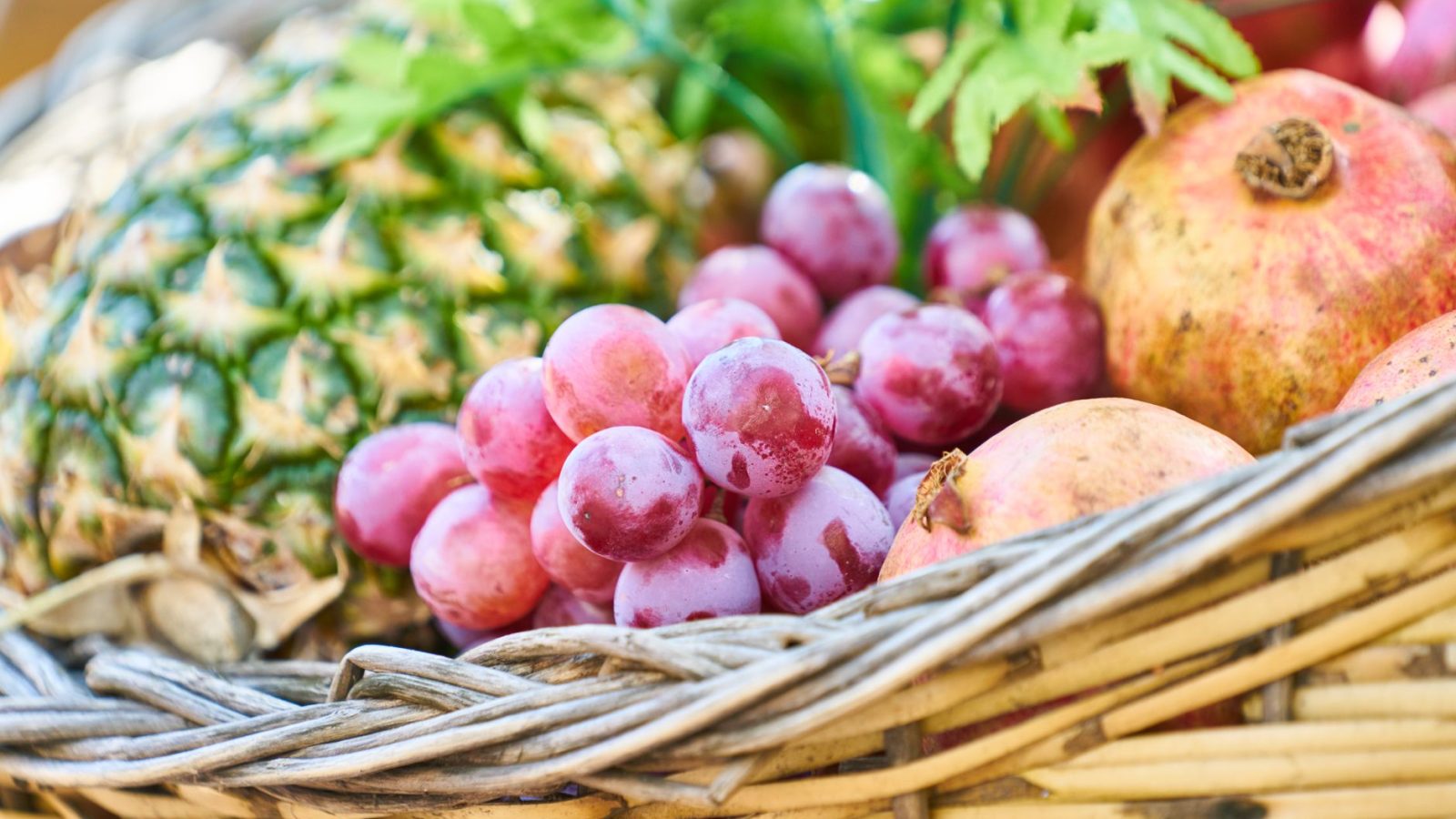
The fruits of the Spirit are nine qualities God grows in a believer’s life through the Holy Spirit: love, joy, peace, longsuffering, gentleness, goodness, faith, meekness, and temperance. They are listed in Galatians 5:22-23 and describe the character of a person increasingly shaped by God.
Why Paul Used the Word ‘Fruit’
Paul’s choice of the word fruit — singular, not plural — is deliberate and worth sitting with. He doesn’t say ‘fruits’ (as a scattered list of separate achievements); he says ‘the fruit of the Spirit,’ one organic thing with nine visible expressions.
A tree doesn’t produce apples by willpower. It produces them by being alive, rooted, and nourished. In the same way, Paul is saying these qualities are not performances you summon through sheer effort. They are the evidence that the Spirit of God is alive and at work inside you.
This matters enormously if you’re hard on yourself. You may have tried to be more patient or more joyful and felt like you failed. The invitation here isn’t to try harder — it’s to stay connected. Jesus uses the same image in John 15:4-5, describing himself as the vine and his followers as branches. Fruit comes from the connection, not from the straining.
Each Fruit, Opened Up
Love comes first, and that is not an accident. The Greek word Paul uses is agape — a self-giving, others-centered love that acts regardless of feeling. It is the love described at length in 1 Corinthians 13, and it is the root from which all the other fruits grow.
Joy is not the same as happiness. Happiness depends on circumstances; joy runs deeper. It is a settled confidence that God is good and that you are held, even on days when nothing feels good. Paul himself writes about joy from a prison cell (Philippians 4:4), which tells you everything about what kind of joy he means.
Peace is the fruit that guards your mind and heart, according to Philippians 4:7. It isn’t the absence of trouble — it is a quietness inside trouble. If anxiety or grief is overwhelming you right now, that is not a sign of weak faith. Anxiety is a medical and emotional reality, and bringing it to God in prayer does not mean you can’t also bring it to a counselor or doctor. Both belong together.
Longsuffering — the King James word for patience — is the ability to bear with people and with difficult seasons without breaking or retaliating. It is the fruit you notice most when it is absent, and the one that grows most visibly through hardship.
Gentleness (sometimes translated ‘kindness’) is the fruit that shapes how you treat people in everyday moments — the tone of your voice, the way you respond to inconvenience, what you do when someone needs help and you’re already tired. Goodness is its close companion: a moral integrity that seeks what is right, not just what is comfortable or convenient.
Faith in this list is sometimes translated ‘faithfulness’ — the quality of being reliable and trustworthy, following through on what you say, staying true over time. Meekness is not weakness; it is strength held gently, power surrendered to God’s purposes rather than deployed for your own. And temperance — self-control — is the capacity to govern your desires and impulses rather than be governed by them.
These Are Not the Same as Spiritual Gifts
People sometimes confuse the fruits of the Spirit with the gifts of the Spirit, but they are different things. Spiritual gifts (described in Romans 12, 1 Corinthians 12, and Ephesians 4) are specific abilities God gives for serving others — things like teaching, hospitality, or healing. Not everyone receives the same gifts.
The fruits of the Spirit, by contrast, are meant to characterize every believer over time. You don’t get assigned love and someone else gets assigned peace. All nine are the trajectory for every person walking with God.
Gifts tell you what you do. Fruit tells you who you’re becoming.
How Fruit Actually Grows — What This Looks Like in Real Life
Fruit doesn’t appear overnight. An apple tree planted in spring doesn’t produce apples by June of the same year. Growth in the Spirit follows the same patient, organic rhythm. New believers often feel discouraged when they don’t see immediate change — but the right question isn’t ‘am I there yet?’ It’s ‘am I staying connected?’
Practically, staying connected means spending time in prayer — not perfect, eloquent prayer, just honest conversation with God. It means reading scripture regularly, even a few verses at a time. It means gathering with other believers who can encourage you and tell you the truth about your blind spots (Hebrews 10:24-25). It means asking the Spirit to work, and then cooperating with what you feel nudged toward.
It also means paying attention. When you respond to a frustrating driver with unusual calm, or when you find yourself genuinely happy for someone you used to envy, those are not accidents. Those are the fruit showing up. Notice them. Thank God for them. They’re evidence the roots are growing.
What About When You Don’t Feel These Things?
There will be seasons when love feels like an act of the will rather than a warm feeling, when joy is nowhere near the surface, when peace seems like a word from another language. This is normal Christian experience, not a sign that God has abandoned you or that your faith has failed.
The Psalms are full of this — the writers crying out from dark places, feeling the absence of God, and then anchoring themselves in what they know to be true even when they cannot feel it (Psalm 42 is a beautiful example of exactly this). The fruit of the Spirit is grown over a lifetime, not harvested in a single season.
If you are walking through grief, depression, anxiety, or trauma, please know that seeking professional help — a counselor, a therapist, a doctor — is entirely consistent with trusting God. Caring for your mind and body is a form of stewardship, and God works through gifted people as well as through prayer.
Paul’s Closing Line: ‘Against Such There Is No Law’
The final phrase in Galatians 5:22-23 is quietly stunning: against such there is no law. Paul has been arguing throughout Galatians that believers are no longer under the rigid performance of the law as a means of earning God’s favor. His point here is almost playful — no law could possibly prohibit love, joy, peace, patience, kindness, goodness, faithfulness, meekness, or self-control.
These qualities don’t need to be regulated because they fulfill the deepest intention of the law — loving God and loving your neighbor (Matthew 22:37-40). A person genuinely growing in the fruits of the Spirit isn’t looking for loopholes. They’re becoming someone who doesn’t want them.
This is the hope held out to you, wherever you are starting from today.
A Simple Practice to Begin This Week
Pick one fruit from the list that feels most distant from your life right now. Don’t pick the one you’re best at — pick the one that feels like a stretch.
For one week, pray about it each morning in one or two sentences. Ask the Spirit to make you aware of moments that day where that fruit is needed. At the end of each day, notice what happened — not to grade yourself, but to pay attention to where God was already at work.
This is not a self-improvement program. It is an invitation to watch what God does when you stay awake to it.
Lord, I want to understand what you are growing in me. Show me today which of these fruits you are cultivating through my current circumstances.
Holy Spirit, where I have been straining to produce change through my own effort, teach me to stay connected to you instead. I trust the process, even when I can’t see the fruit yet.
God, on the days when love feels thin and joy is hard to find, anchor me in what I know is true about you, even when I cannot feel it. Help me stay rooted.
Thank you for not asking me to be perfect before you begin your work in me. Grow in me what I cannot grow in myself, and let my life be evidence of your presence.
Frequently Asked Questions
Is it 'fruit of the Spirit' or 'fruits of the Spirit'?
The original Greek and the King James translation both use the singular ‘fruit,’ suggesting one unified character that expresses itself in nine ways. ‘Fruits of the Spirit’ (plural) is a common informal shorthand and not wrong, but the singular points to something important: these qualities are one organic whole, not nine separate achievements to collect.
Do I have to have all nine fruits to be a real Christian?
All nine are the direction of travel for every believer, not a qualification test at the door. A new believer will look very different from someone who has walked with God for forty years, and that’s expected. What matters is whether you are growing — slowly, imperfectly, but genuinely moving toward the character described in Galatians 5:22-23.
How is the fruit of the Spirit different from just being a nice person?
Many people who don’t follow Jesus are kind, patient, and self-controlled — those qualities are part of being human, made in the image of God. The fruit of the Spirit specifically describes these qualities as they grow from a living relationship with the Holy Spirit, sourced in God rather than in personal discipline alone. The difference is the root, not always the outward appearance.
Can I lose the fruits of the Spirit?
Because fruit is a product of connection, seasons of distance from God — through sin, neglect, or spiritual dryness — can affect how visibly these qualities show up in your life. This is less about losing something and more about a branch being less nourished. Returning to prayer, scripture, and community typically restores what has faded.
Where in the Bible is the fruits of the Spirit found?
The primary passage is Galatians 5:22-23, a letter written by the apostle Paul to early Christian communities in the region of Galatia. The surrounding context, Galatians 5:16-25, contrasts the fruit of the Spirit with what Paul calls the ‘works of the flesh,’ giving a fuller picture of what a Spirit-led life looks like versus a self-driven one.
Continue Reading

The Power of a Changed Life: What We Can Learn From the Woman at the Well?
What does John 4:28–29 mean? Discover how one encounter with Jesus transformed the Samaritan woman and learn why your testimony has the power to lead other

What Does the Bible Say About Tithing? The Truth About Tithing and Stewardship
Wondering what is tithing and what the Bible really says about it? This plain, pastoral guide walks seekers and new believers through scripture, history…

What Does the Bible Say About Generosity? A Plain Guide for Seekers and New Believers
Wondering what the Bible says about generosity? This plain-language guide explores key scriptures, practical steps, and a short prayer guide for seekers…