When God Speaks, Everything Changes : Why Should Christians Read the Bible?
6 min read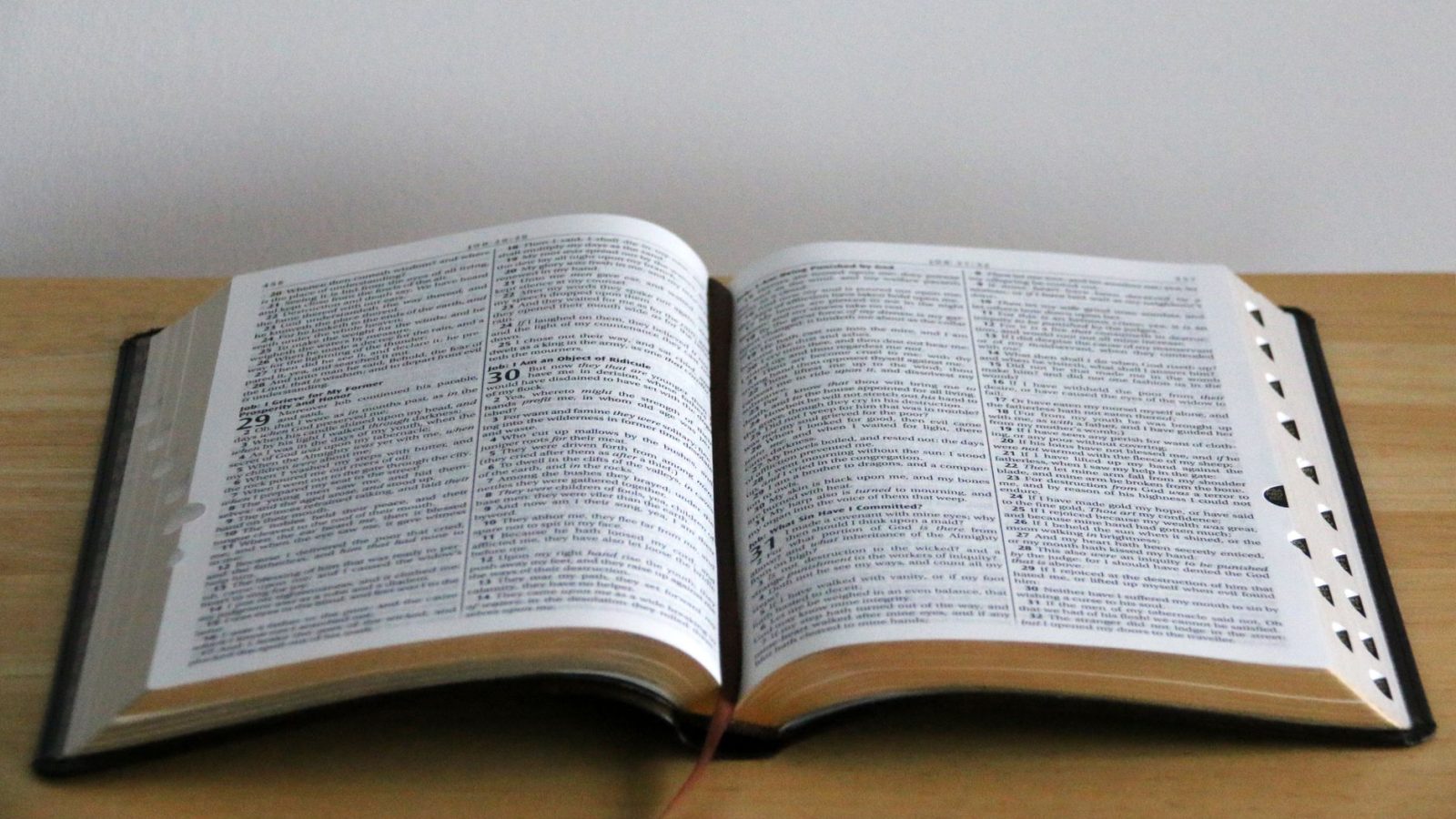
Christians read the Bible because it is God’s living word — it reveals who God is, who you are, and how to walk through real life with real faith. It shapes your thinking, comforts your grief, corrects your drift, and connects you to the God who made you and loves you.
The Bible Is Not Just Old Writing
One of the most common reasons people avoid the Bible is that it feels ancient and distant — full of names they cannot pronounce and customs that have nothing to do with their Monday morning. That feeling is understandable, and you are allowed to have it.
But Hebrews 4:12 calls the word of God quick — a King James word that means living, not fast. The Bible is not a museum exhibit. It is a document that carries the breath of God through centuries and lands directly in your present moment.
When you open it looking for answers about loneliness, fear, grief, or purpose, you are not reading about people from another world. You are reading about people who carried the same weight you carry — and you are reading what God said to them, and to you, in the middle of it.
Reading the Bible Helps You Know Who God Actually Is
Most of us carry pictures of God that were given to us by people, by disappointments, or by our own fears. Some of those pictures are partial. Some are simply wrong.
The Bible is where you go to correct the picture. You see God as Creator in Genesis, as Deliverer in Exodus, as a God who sits with the grieving in the Psalms (see Psalm 34:18), and as a Father who runs toward a returning child in the parable Jesus tells in Luke 15.
Reading the Bible consistently does not give you a theological degree. It gives you something more practical: a relationship built on actual knowledge rather than assumption. You begin to trust a God you are getting to know, rather than fearing a God you have only imagined.
Reading the Bible Helps You Know Who You Are
The second thing the Bible does is show you yourself — and this is where that image of a two-edged sword becomes personal. The word of God, as Hebrews 4:12 says, is a discerner of the thoughts and intents of the heart.
That is not meant to be frightening. It is meant to be freeing. Many of us spend enormous energy managing our image, justifying our choices, or simply not looking too closely at what we actually want or believe. The Bible cuts through that — gently, but honestly.
You discover that you are made in the image of God (see Genesis 1:27). You discover that you are loved before you earned it (see Romans 5:8). You also discover patterns in yourself that need changing — and the same word that names those patterns gives you hope and practical direction for what comes next.
The Bible Carries Comfort That Other Sources Cannot
If you are reading this in the middle of grief, illness, anxiety, or exhaustion, please hear this: the Bible was not written for people who have it together. It was written for people who don’t.
The Psalms alone contain more raw human pain than most modern self-help shelves combined. Lament is a legitimate form of prayer in scripture — crying out, arguing with God, admitting you do not understand what is happening. All of that is there, and it is there because God can handle your honesty.
This does not mean the Bible replaces counseling, medical care, or the support of trusted people in your life. If you are struggling with your mental health, please reach out to a professional — and bring your Bible along. Both belong. Scripture offers a kind of comfort that goes beneath the surface: not a promise that hard things will disappear, but a promise that you are not alone in them (see Isaiah 43:2).
Reading the Bible when life is hard is not wishful thinking. It is anchoring yourself to something that does not shift with circumstances.
Reading the Bible Shapes How You Think and Choose
You become, over time, what you consistently take in. That is true of the news you consume, the conversations you have, and the books you read. It is also true of scripture.
Paul writes to the Roman church about the renewing of the mind (see Romans 12:2). The idea is not that you memorize enough verses to win an argument. It is that regular, honest reading of scripture begins to reshape the instincts you bring to decisions — how you treat people who frustrate you, how you handle money, what you do with power when you have a little of it.
This is slow, unglamorous work. You will not notice it happening most days. But over months and years, people who read the Bible regularly — not perfectly, but consistently — often find that their reflexes change. Patience comes a little more naturally. Gratitude surfaces in places it did not before. Fear loosens its grip in small but real ways.
That is not magic. That is the ordinary work of a living word doing what Hebrews says it does.
How to Actually Start Reading the Bible
If you have never read the Bible or have not read it in a long time, starting in Genesis and reading straight through is probably not the most helpful approach. The Bible is a library of different kinds of writing, and reading it like one continuous novel from page one can leave you stranded somewhere in Leviticus.
A better starting point: the Gospel of John. It was written specifically so that people would understand who Jesus is (see John 20:31). Read one chapter a day. Do not rush. Ask one simple question as you go: What does this tell me about Jesus?
After John, try the Psalms for the emotional and devotional language of faith. Then try Paul’s letter to the Romans for theology that is both deep and practical. You do not need a seminary education. You need a Bible, a little time, and a willingness to show up.
A readable modern translation — such as the ESV, NIV, CSB, or NLT — can help if older language feels like a barrier. Whatever gets the word into your hands and your heart is a good place to start.
What to Do When Reading Feels Dry or Confusing
There will be days when you open the Bible and feel nothing. The words sit flat on the page. This is normal, and it does not mean your faith is broken or that God has gone quiet.
On those days, the act of reading is itself a form of faithfulness. You are showing up. That matters. Over time, the dry seasons pass.
When the text genuinely confuses you, look for help. A study Bible includes notes that explain context. Commentaries written by trusted teachers can shed light on difficult passages. A local church — a community of people also reading and wrestling with the same text — is one of the best resources you have. You were not meant to read in isolation.
Bring your questions to God directly. Prayer and scripture were never meant to be separated. You can say, plainly: I do not understand this. Help me see what you are saying. That is not a sign of weak faith. That is exactly the posture scripture invites.
Lord, I come to your word today not because I have everything figured out, but because I believe you speak through it. Open my eyes to see what you want me to see.
God, where I have carried a wrong picture of you — shaped by fear or hurt or other people’s words — let the truth of scripture gently correct it. I want to know you as you actually are.
Where your word shows me something in myself that needs to change, give me the courage to stay with that truth instead of turning away from it. I trust that you show me these things in love.
Thank you that your word is alive — that it is not just history but a living thing that reaches me today, right where I am. Teach me to return to it, even on the days it feels hard.
Frequently Asked Questions
How often should I read the Bible?
There is no single rule, but daily reading — even a short passage — builds the kind of consistency that produces real change over time. Starting with five to ten minutes a day is more sustainable than attempting long sessions you cannot maintain. The goal is regular contact with scripture, not impressive volume.
Where should a new Christian start reading the Bible?
The Gospel of John is one of the best entry points because it was written specifically to help readers understand who Jesus is. After that, the Psalms offer honest, emotional language for prayer, and the book of Romans provides a clear foundation for Christian belief. You do not need to start at Genesis and read straight through.
Does reading the Bible actually change anything in real life?
Regular, honest engagement with scripture does shape the way people think, make decisions, and respond to difficulty — but it is usually a gradual process, not an overnight transformation. Christians throughout history have described scripture as a source of wisdom, comfort, and correction that proves itself reliable over time. The change is real, but it tends to be quiet and cumulative.
What if I don't understand large parts of the Bible?
That is completely normal, and it does not disqualify you from benefiting from what you do understand. A study Bible, a reliable commentary, or a church community can help with confusing passages. Bring your questions to God in prayer as well — approaching scripture with honest curiosity is entirely appropriate.
Can I read the Bible if I am not sure I believe in God yet?
Yes — many people have come to faith precisely because they read the Bible with an open and questioning mind. You do not need settled belief to begin. Reading with honest questions is a legitimate and respected starting point, and the text itself is capable of speaking into your uncertainty.
Continue Reading
What Is Spiritual Maturity? The Secret to Spiritual Maturity Every Christian Needs to Know
learn how God calls every believer to spiritual maturity, unity in faith, and becoming more like Jesus Christ. Be inspired to grow deeper in Christ

God’s Blueprint for a Strong and Lasting Marriage: What Does the Bible Say About Husbands and Wives?
What does the Bible say about husbands and wives? A warm, practical guide to Scripture's teaching on marriage roles, love, respect, and covenant faith.
The Greatest Chapter on Love Every Christian Should Read: What Does the Bible Say About Love?
Wondering what does the Bible say about love? Explore how Christ-like love transforms relationships through patience, kindness, humility, forgiveness, hope